|
 The Legacy of the Revolution and the Empire
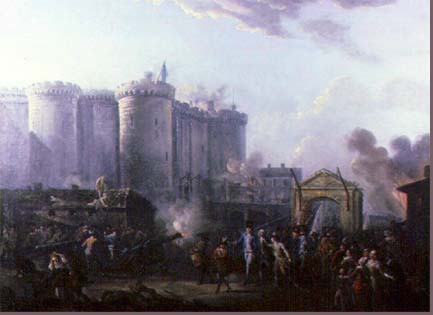
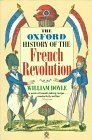
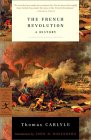
France's status as nation was reinforced by the Revolution in 1789.On 14 July 1790, a year after the fall of the Bastille, delegates from all parts of the country flocked to Paris to celebrate the Fête de la Fédération and proclaim their allegiance to a single, common nation. The ideals proclaimed were: individual freedom and mutual respect; the right of peoples to self-determination; and institutions which would protect the welfare of citizens.
These aspirations, which were codified in the Declaration of the Rights of Man and the Citizen of 26 August 1789, grew out of the work of Enlightenment philosophers in the eighteenth century and were heavily influenced by the ideas of authors like Montesquieu, who laid down the principle of separation of the legislature, executive and judiciary in his The Spirit of the Law of 1748, and Jean-Jacques Rousseau, who developed theories of political equality and the sovereignty of the people in The Social Contract (1762). These texts had considerable influence on the writers of the Constitution of the United States of America in 1787. The values propounded in them are seen as universal and may be considered the cornerstone of modern democracy.They had widespread repercussions and provided a model for national liberation movements during the nineteenth century. The United Nations' Universal Declaration of Human Rights of 10 December 1948 also owed much to the Declaration of the Rights of Man and the Citizen.
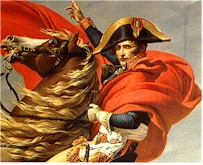 The French Revolution was not only a crucial event considered in the context of Western history, but was also, perhaps the single most crucial influence on British intellectual, philosophical, and political life in the nineteenth century. In its early stages it portrayed itself as a triumph of the forces of reason over those of superstition and privilege, and as such it was welcomed not only by English radicals like Thomas Paine and William Godwin and William Blake, who, characteristically, saw it as a symbolic act which presaged the return of humanity to the state of perfection from which it had fallen away--but by many liberals as well, and by some who saw it, with its declared emphasis on "Liberty, Equality, and Fraternity," as being analgous to the Glorious Revolution of 1688: as it descended into the madness of the Reign of Terror, however, many who had initially greeted it with enthusiasm--Wordsworth and Coleridge, for example, who came to regard their early support as, in Coleridge's words, a "sqeaking baby trumpet of sedition"--had second thoughts.

|







 contact
 View fascinating movies about France